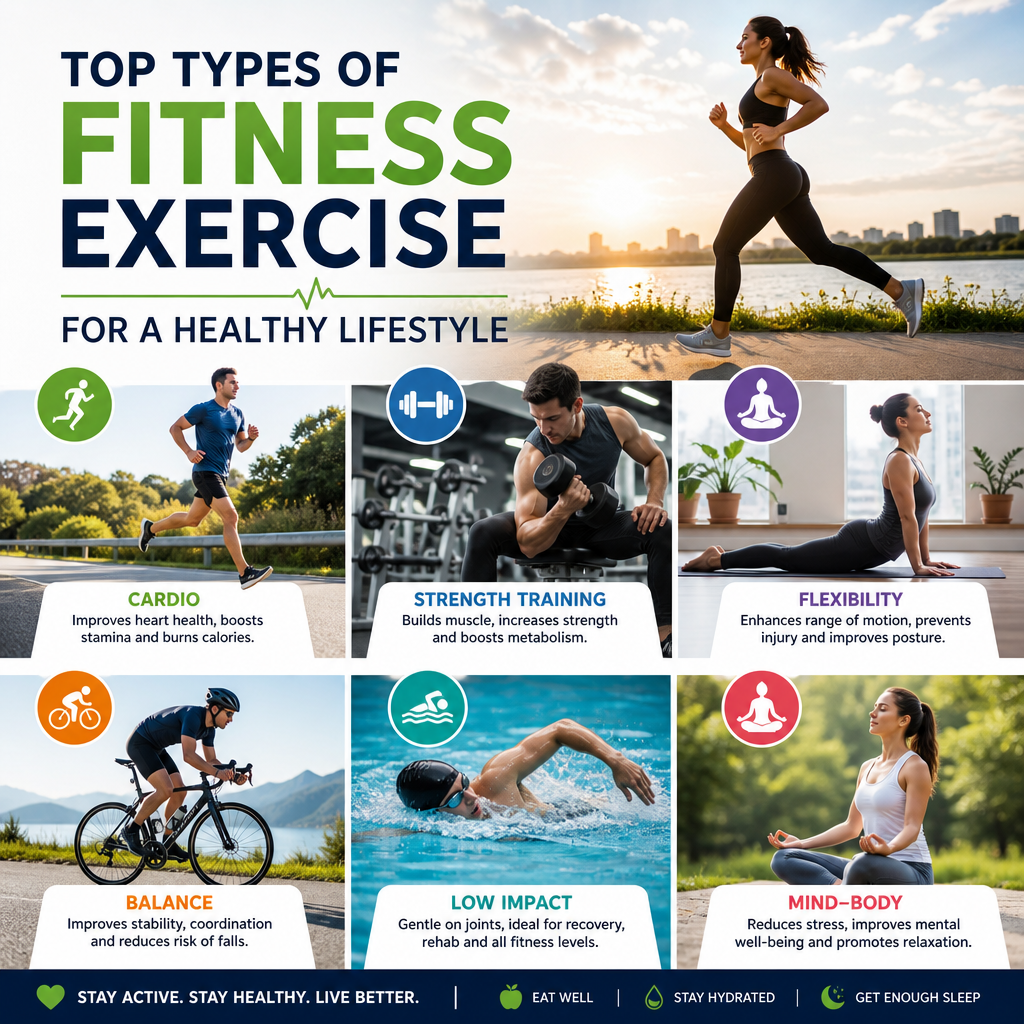

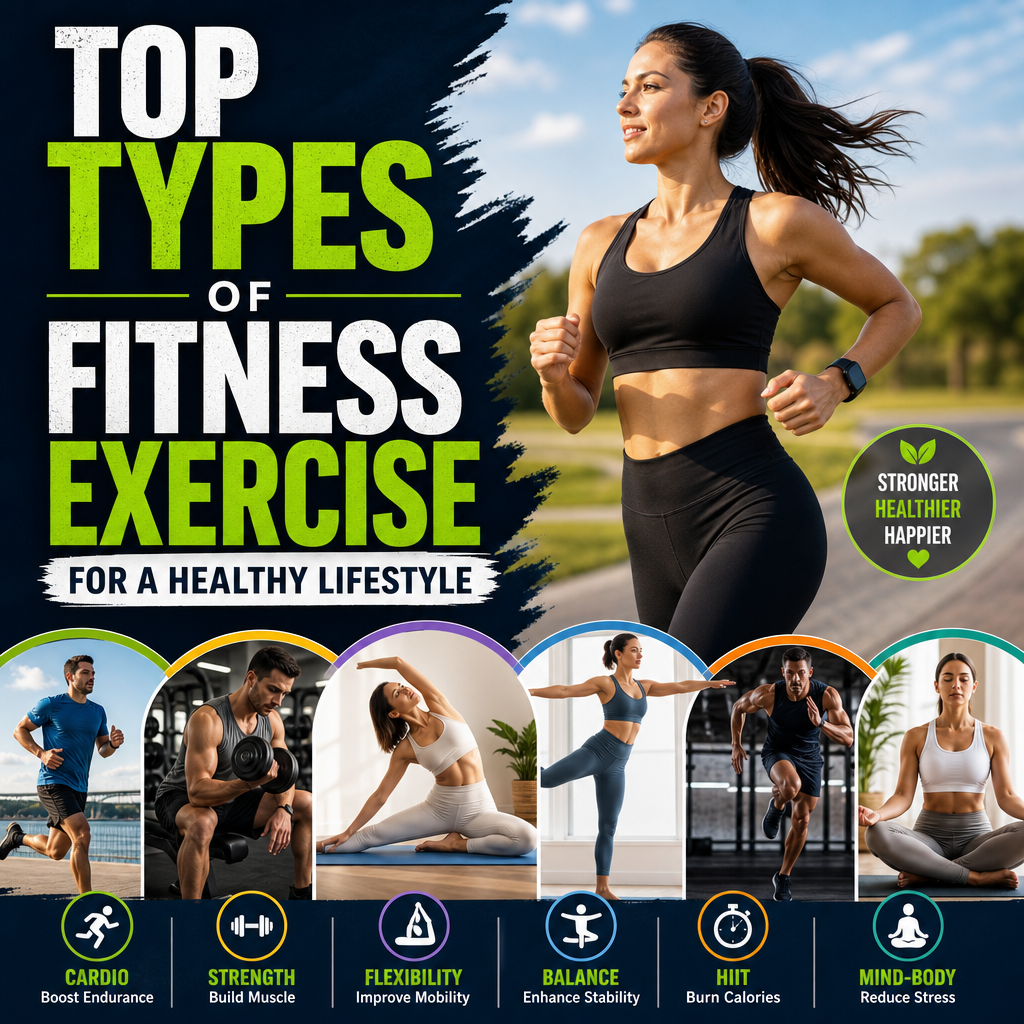
When it comes to health and wellness, understanding the various types fitness includes can help you choose the best form of exercise that fits your lifestyle, preferences, and goals. Exercise goes beyond just sweating in the gym—it covers a wide range of activities that build strength, improve endurance, boost flexibility, and enhance overall well-being.
In this post, we’ll explore some of the best types of fitness, highlighting their benefits to help you find the right exercise to maintain an active and healthy life.
Understanding Types Fitness
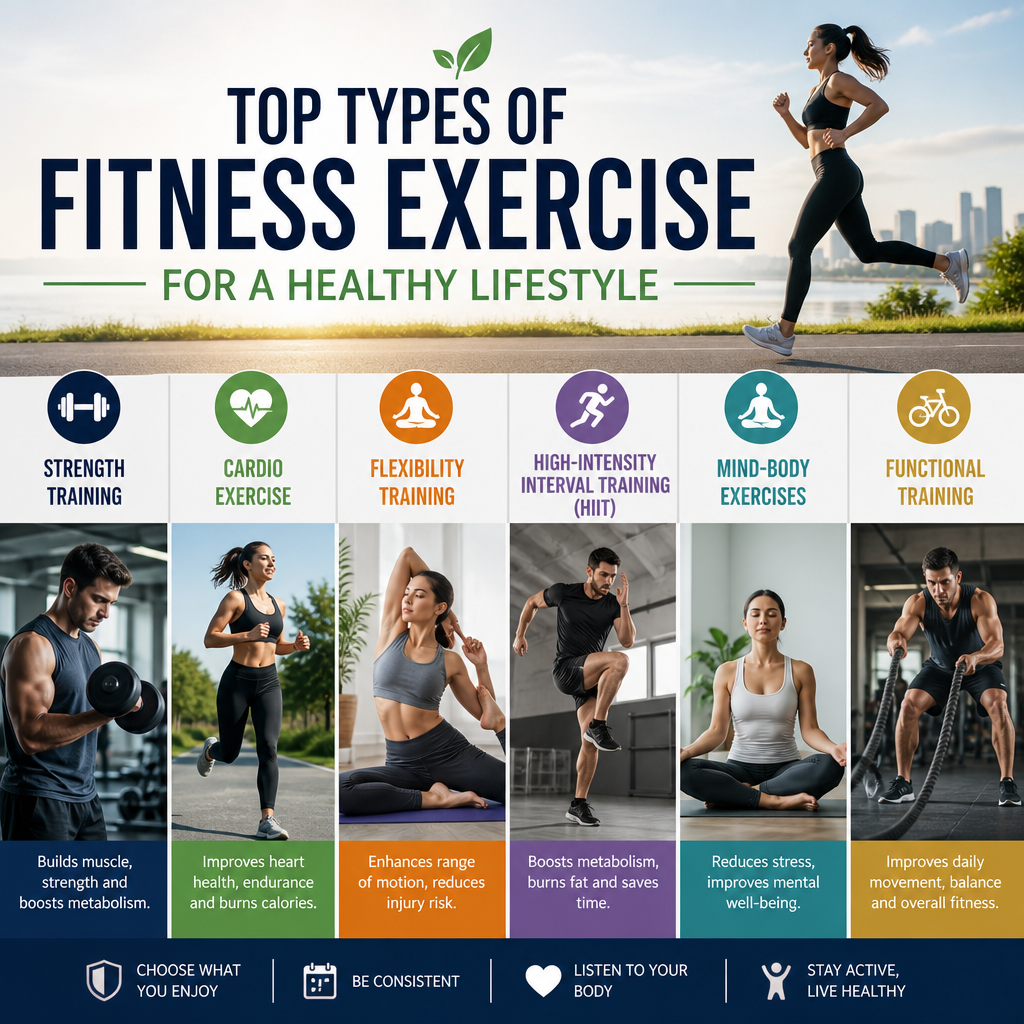
Types fitness generally refer to different modes and approaches to physical activity. These include cardiovascular fitness, strength training, flexibility exercises, balance work, and more. Each type targets specific areas, but combining several types is ideal for overall health.
Cardiovascular Fitness (Cardio)
Cardio exercises increase your heart rate and breathing, strengthening your heart and lungs while burning calories. It’s foundational for improving endurance.
Examples of Cardio:
- Running or jogging
- Cycling
- Swimming
- Jump rope
- Dancing
- Hiking
Benefits:
- Enhances cardiovascular health
- Aids weight loss
- Increases stamina and energy
- Boosts mood through the release of endorphins
Cardio workouts are favorites for promoting heart health and play a vital role in endurance training within types fitness.
Strength Training for Muscle and Bone Health
Strength or resistance training involves using weights or your own body weight to improve muscle mass and bone density.
Common Strength Exercises:
- Weightlifting (free weights or machines)
- Bodyweight exercises (push-ups, squats, pull-ups)
- Resistance band workouts
Benefits:
- Builds and tones muscles
- Increases metabolism to burn more calories at rest
- Improves posture and balance
- Protects joints by strengthening muscles around them
Whether you want to gain muscle, tone up, or increase daily functional strength, including strength training in your fitness routine is highly beneficial.
Flexibility and Mobility Exercises
Flexibility exercises target the range of motion in muscles and joints. This type is crucial to reduce injury and alleviate stiffness.
Common Flexibility Sessions:
- Yoga
- Pilates
- Stretching routines
Benefits:
- Improves posture and alignment
- Enhances coordination and reduces injury risk
- Aids muscle recovery
- Helps relieve stress and promotes relaxation
Flexibility-focused exercise is a vital complement to types fitness routines that include cardio and strength training.
Balance Training for Stability and Control
Balance improves body control and stability. It plays a critical role in preventing falls, especially in older adults.
Balance Exercises Include:
- Standing on one leg
- Tai Chi
- Stability ball workouts
Benefits:
- Enhances body awareness
- Prevents injuries caused by falls
- Improves athletic performance
- Supports muscular endurance of small stabilizing muscles
This area of fitness is often overlooked but is an important part of a comprehensive fitness routine.
High-Intensity Interval Training (HIIT) for Efficient Workouts
HIIT combines short bursts of intense exercise with rest or low-intensity periods. It’s efficient and effective for people with limited time.
What HIIT Involves:
- Sprint intervals
- Bodyweight circuit training
- Cycling sprints
Benefits:
- Burns a high amount of calories in less time
- Boosts metabolism after exercise
- Can rapidly improve endurance and cardiovascular health
HIIT can incorporate both cardio and strength fitness elements, making it one of the most versatile exercise styles available.
Activities to Enjoy and Elevate Your Types Fitness Routine
Besides the key categories above, exploring various exercise forms—from swimming and martial arts to dance and team sports—can keep your fitness routine energized and sustainable over the years.
Tips for Choosing the Right Types Fitness for You
- Consider your goals: weight loss, strength, balance, stress relief?
- Think about your physical limitations and health conditions.
- Reflect on activities you enjoy, so you can stay consistent.
- Combine different types to create a balanced routine.
For more detailed guidance on effective workouts, you can visit Top Fitness and Exercise Types for Effective Workouts in 2024.
Additionally, reliable information about the benefits of regular exercise is available from the Centers for Disease Control and Prevention, which provides evidence-based recommendations.
Conclusion
The best types of fitness are those that fit your lifestyle, passions, and fitness level. Whether it’s cardio, strength training, flexibility, balance, or HIIT, combining these different forms ensures a holistic approach to health.
No matter where you start, embracing exercise is about finding joy in movement and gradually building habits that improve your wellbeing step by step.
Explore these various types fitness platforms, and customize the mix that makes exercise feel less like a chore and more like a vital part of who you are. Your body—and mind—will thank you!