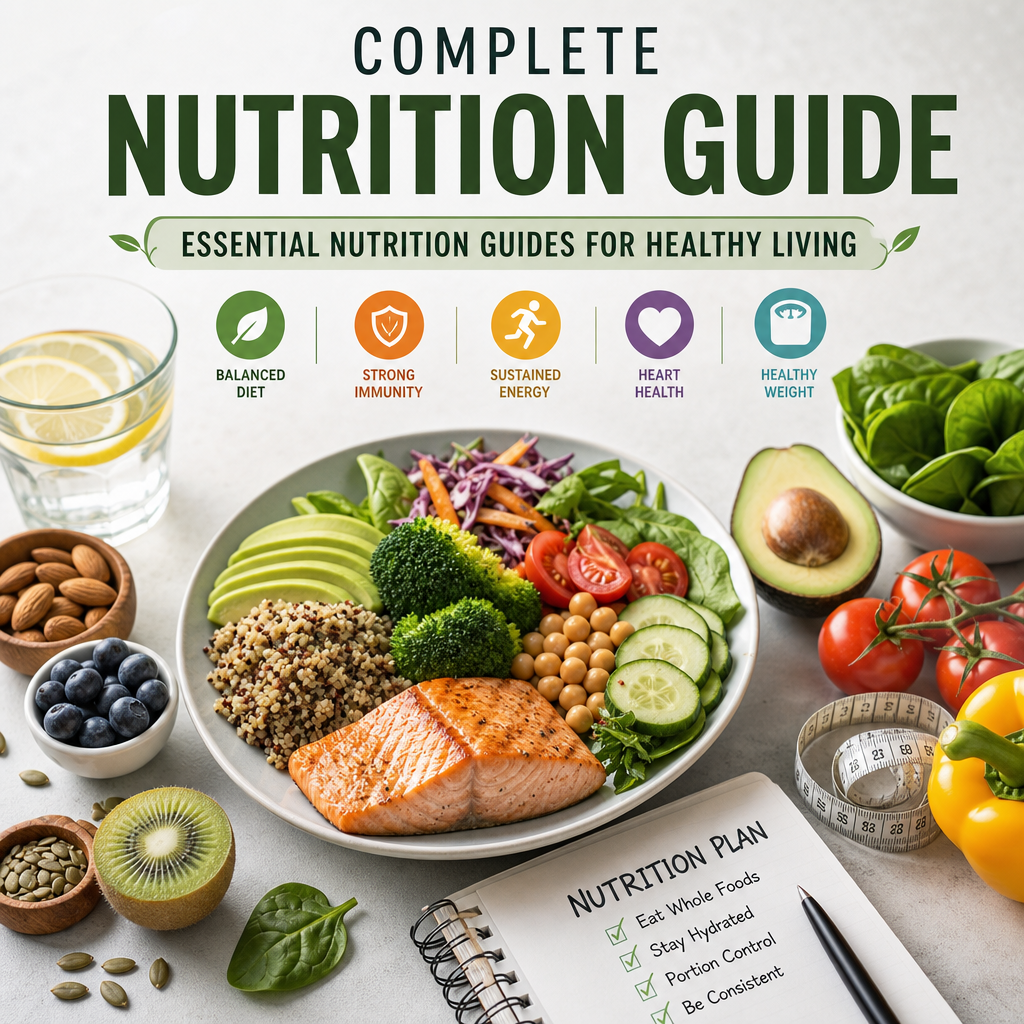


A Complete Guide to Nutrition
Understanding nutrition is essential for anyone seeking to improve their overall health and well-being. Proper nutrition helps the body function efficiently, supports growth, boosts energy, and protects against diseases. This complete guide to nutrition explores the foundation of healthy eating habits, the importance of nutrients, and practical tips you can apply today.
What Is Nutrition?

Nutrition refers to the process by which the body takes in and utilizes food substances needed for growth, repair, and maintenance. It encompasses how nutrients are ingested, digested, absorbed, and metabolized to fuel every bodily function.
Good nutrition means obtaining the right amounts of proteins, fats, carbohydrates, vitamins, and minerals your body needs to thrive. When the balance is off, you may experience fatigue, poor immunity, or chronic illness.
Why Are Nutrition Guides Important?
Nutrition guides provide a clear structure for balanced eating. There are countless foods available today, and these guides simplify the choice framework for nutrients, calories, and portion sizes, aiming to deliver vibrant health and prevent malnutrition.
Employing nutrition guides can:
- Help control weight effectively
- Maintain energy levels throughout the day
- Improve concentration and mood
- Reduce risk for chronic conditions like diabetes, heart disease, and osteoporosis
- Support healthy muscle and bone development
Key Nutrients Your Body Needs
Understanding vital nutrient groups gives insight into how nutrition affects various health aspects:
1. Carbohydrates
Carbohydrates are the body’s main energy source. Choose whole grains, vegetables, fruits, and legumes for sustained energy release rather than refined sugars.
2. Proteins
Proteins build and repair tissues. Sources include lean meats, fish, eggs, beans, and nuts. Protein needs differ based on activity levels and age.
3. Fats
Healthy fats, such as those in avocados, nuts, and olive oil, are crucial for brain function and hormone production. Limit saturated and trans fats commonly found in processed foods.
4. Vitamins and Minerals
These micronutrients regulate numerous physiological functions — from bone health (calcium, vitamin D) to immune defense (vitamin C, zinc). Eating a varied diet rich in fruits and vegetables is the best natural source.
5. Water
Often overlooked, proper hydration is integral to digestion, circulation, temperature regulation, and joint lubrication.
Practical Tips for Balanced Nutrition
Here are effective tips derived from nutrition guides for incorporating healthier habits into your daily routine:
Create a Colorful Plate
Eating diverse fruits and vegetables adds essential vitamins, antioxidants, and fiber.
Control Portions
Using smaller plates can help avoid overeating and maintain calorie balance.
Minimize Processed Foods
Drag your attention from canned, packaged, and convenience foods—which are generally high in sodium, unhealthy fats, and sugars.
Read Nutrition Labels
Cards of information on food packages help make smart, informed choices at the store.
Plan Meals & Snacks
Prepare foods ahead of time to avoid relying on fast food or less nutritious snacks.
Nutrition Lifestyle: Beyond Just Food
Proper nutrition is not solely about what you eat but how you incorporate it into your lifestyle. Managing stress, sleeping well, and exercising complement a solid nutritional foundation to enhance well-being.
Summary
This complete guide to nutrition highlights the significance of fueling your body with essential nutrients and adheres to reliable nutrition guides. With varied whole foods, portion control, and mindful habits, you can create a sustainable, healthy diet tailored to your needs.
Start small, focus on habits, and let good nutrition boost energy, vitality, and long-term health!