

58
# Detox, Is It Okay?
In recent years, the concept of detoxing has gained significant popularity. From juice cleanses to specialized diets, many people turn to detox as a way to reset their bodies, lose weight, or boost overall health. But the question remains: detox, is it okay? This article will explore what detox really means, whether it is beneficial or harmful, and offer useful detox guides for those considering a detox regimen.
---
What Is Detox?
 Detox, short for detoxification, refers to the process of removing toxins from the body. These toxins can come from pollution, processed foods, alcohol, and other environmental factors. The idea behind detox is to help the body eliminate these harmful substances, thereby improving health and vitality.
There are many forms of detox, including:
- Juice cleanses
- Water fasts
- Detox diets (eliminating processed foods, sugar, caffeine)
- Herbal supplements
- Sweating therapies like saunas
Each method claims to aid the body's natural detox system, primarily managed by the liver, kidneys, lungs, skin, and digestive tract.
---
Detox, short for detoxification, refers to the process of removing toxins from the body. These toxins can come from pollution, processed foods, alcohol, and other environmental factors. The idea behind detox is to help the body eliminate these harmful substances, thereby improving health and vitality.
There are many forms of detox, including:
- Juice cleanses
- Water fasts
- Detox diets (eliminating processed foods, sugar, caffeine)
- Herbal supplements
- Sweating therapies like saunas
Each method claims to aid the body's natural detox system, primarily managed by the liver, kidneys, lungs, skin, and digestive tract.
---
How Does the Body Detox Naturally?
Before jumping into detox guides or cleanses, it’s important to understand that your body is quite efficient at detoxifying itself under normal circumstances. The liver breaks down harmful substances, the kidneys filter waste through urine, and the lungs expel toxins via breath.
Supporting organs with a balanced diet, sufficient hydration, and regular exercise typically helps maintain this natural process. However, some people believe that a targeted detox can give your system a boost or help recover from unhealthy habits.
---
Detox, Is It Okay? Benefits and Risks
Potential Benefits
1. Improved digestion: By cutting out processed foods, alcohol, and caffeine, many people experience better digestion and less bloating.
2. Increased energy: Removing junk food and sugary drinks often leads to more stable blood sugar levels and sustained energy.
3. Mental clarity: Some report improved focus and mood during and after a detox.
4. Weight loss: Detox diets often reduce calorie intake, which can lead to short-term weight loss.
Possible Risks
Despite the benefits, it’s crucial to consider the risks associated with detox:
- Nutrient deficiencies: Restrictive detox diets may lack essential nutrients, leading to fatigue or dizziness.
- Muscle loss: Extreme fasting can cause the body to break down muscle tissue.
- Electrolyte imbalance: Prolonged detoxes without proper nutrition can disrupt the body’s mineral balance.
- Not sustainable: Many detox plans are temporary and don’t promote long-term healthy habits.
- Underlying conditions: People with medical conditions such as diabetes or kidney problems should avoid detox without professional advice.
---
Practical Detox Guides
If you decide to try a detox, it’s important to choose safe and sensible methods. Here are some practical detox guides that can help you get started without jeopardizing your health:
1. Hydration Boost
- Drink plenty of water—aim for 8-10 glasses a day.
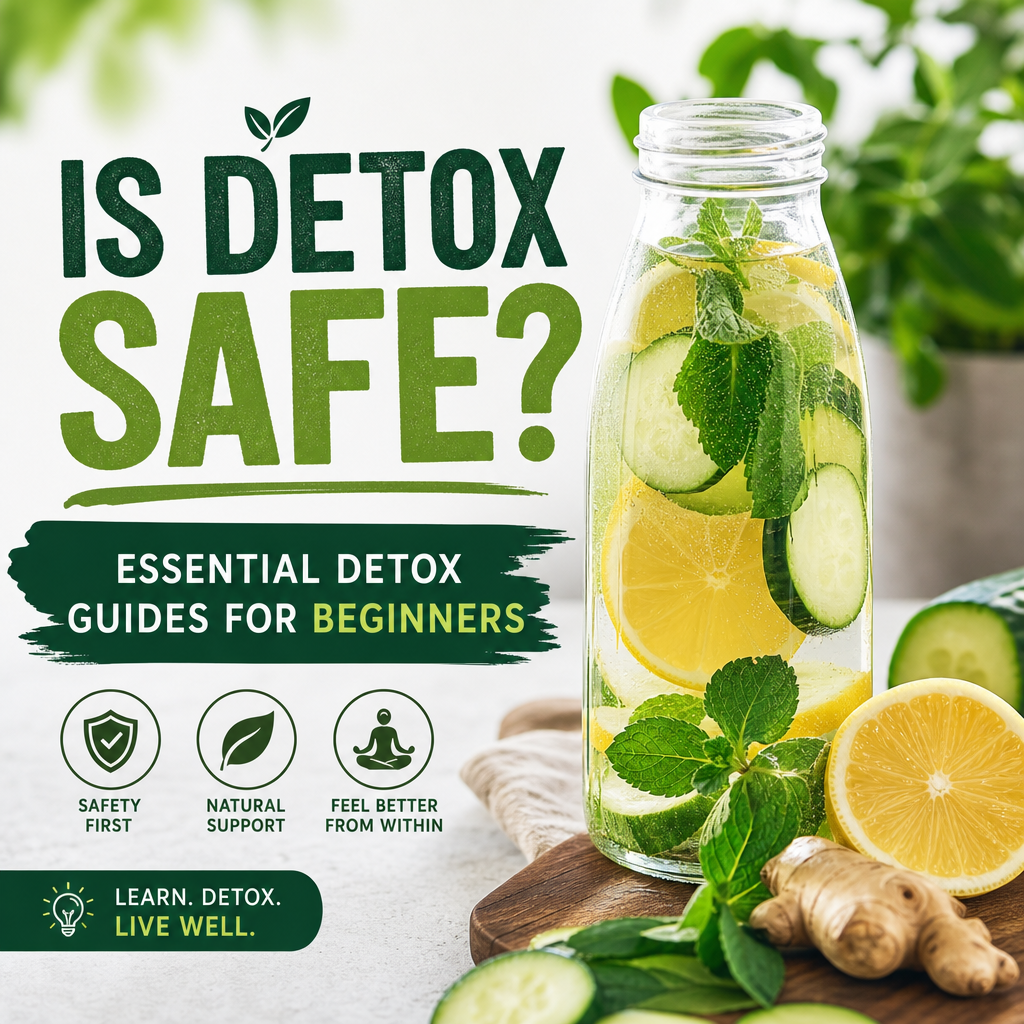
- Add lemon or cucumber slices for flavor and added antioxidants.
- Avoid sugary drinks, alcohol, and caffeine during your detox period.
2. Clean Eating Detox
- Focus on whole foods like fruits, vegetables, whole grains, nuts, and seeds.
- Eliminate processed foods, refined sugars, and artificial additives.
- Incorporate detoxifying foods such as garlic, ginger, and leafy greens.
3. Gentle Juice Cleanse (Short-Term)
- Limit juice cleanses to 1-3 days to prevent nutrient depletion.
- Use freshly extracted vegetable and fruit juices—avoid store-bought options with added sugars.
- Complement juices with herbal teas and adequate water.
4. Mindful Detox Practices
- Get sufficient sleep to support detox processes.
- Practice gentle exercise like yoga or walking.
- Manage stress through meditation or deep breathing exercises.
---
When to Consult a Healthcare Professional
Detox, while often perceived as harmless, isn’t suitable for everyone. If you have existing health issues, such as:
- Diabetes
- Kidney or liver disease
- Pregnancy or breastfeeding
- Eating disorders
Consult your healthcare provider before starting any detox program. A medical expert will help tailor a plan that supports your health without risks.
---
Final Thoughts: Detox, Is It Okay?
Detox can be okay if done thoughtfully and safely. It is important to focus on supporting the body’s natural detox mechanisms rather than employing extreme or unproven methods. Short-term detoxing by improving hydration, eating clean, and reducing toxins like alcohol and processed foods can be beneficial.
Always prioritize balanced nutrition and listen to your body. If you consider a more intensive detox plan, use trusted detox guides and professional advice to avoid pitfalls. Ultimately, detox is best viewed as a supportive lifestyle adjustment, not a quick fix or cure-all.
---
Remember, your body is designed to detoxify naturally—your role is to provide it with the right tools and nourishment to do this effectively.
